If you are buying recovered carbon black (rCB) for the first time, the technical data sheet (TDS) is your most important tool. It tells you what you are actually getting, how it compares to other batches, and whether it will work in your product. But rCB data sheets often look different from virgin carbon black sheets, and that can confuse even experienced buyers.
This guide breaks down exactly how to read an rCB technical data sheet, step by step, so you can make a confident buying decision.
What Is an rCB Technical Data Sheet?
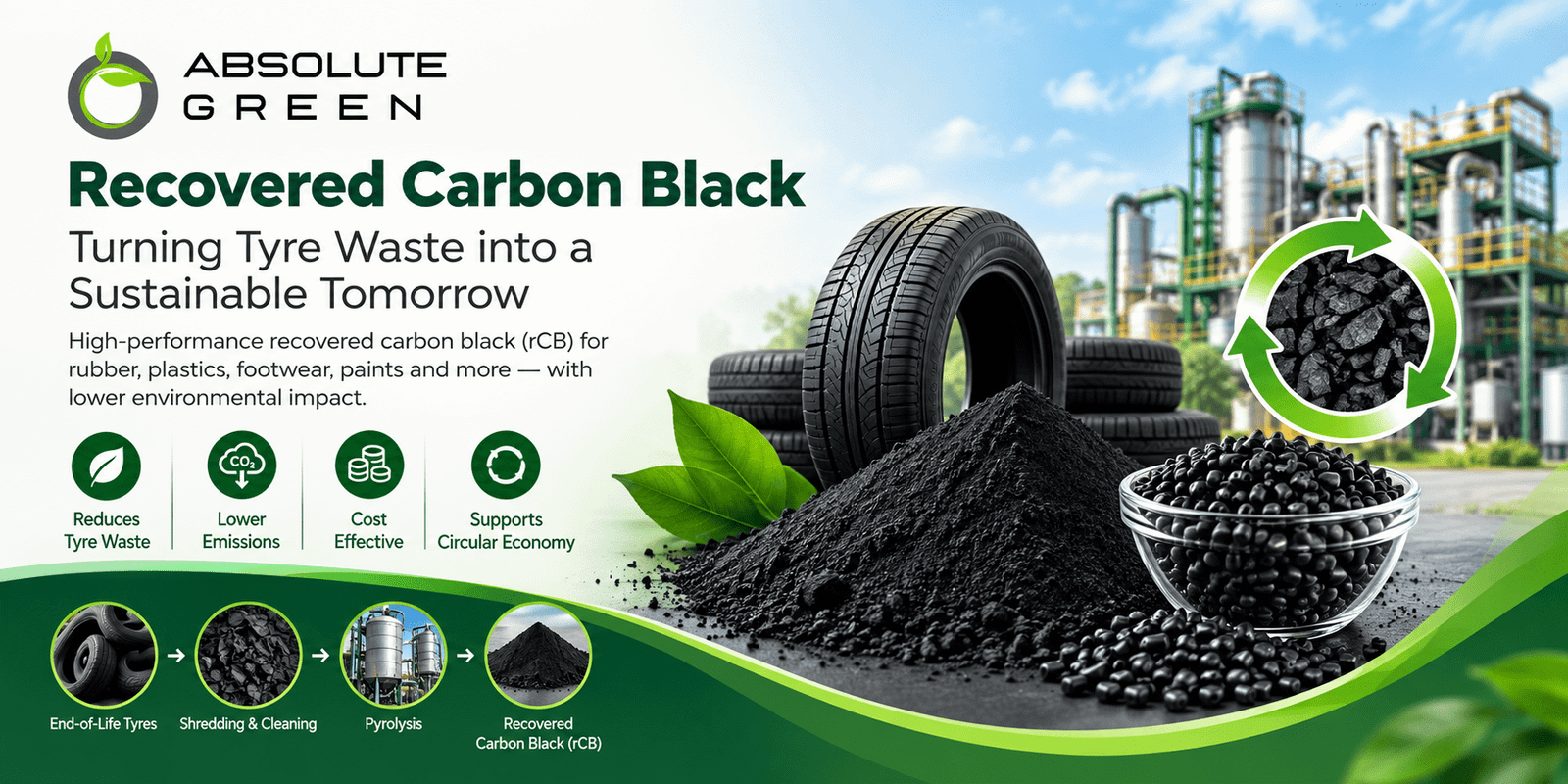
A technical data sheet is a document supplied by the producer that lists the measured properties of a specific rCB batch or grade. Recovered carbon black is made by recycling end-of-life tires through pyrolysis, a process that breaks down rubber using heat in a low-oxygen environment.
The rCB industry has its own dedicated standards group. ASTM International’s Committee D36 was created to develop quality and safety standards specifically for recovered carbon black, organizing its work across several subcommittees that cover terminology, test methods, and guidance documents. Because rCB comes from recycled tires rather than petroleum, batches can vary more than virgin carbon black. That makes the data sheet even more important.
Step 1: Check the Source and Production Method
Look for a section describing how the rCB was made. Most rCB comes from pyrolysis of end-of-life tires. The data sheet should state the feedstock type (passenger tires, truck tires, or a mix) and the production temperature range, since both affect final quality.
Recognized industry terminology defines rCB as carbon black that has been separated from metals and fibers and then processed through milling, which gives it semi-reinforcing properties when used in rubber. If the data sheet doesn’t mention this cleaning and milling step, ask the supplier directly. It tells you whether the material has been properly purified before it reached you.
Step 2: Look for Standardized Terminology (ASTM D8178)
A trustworthy TDS uses consistent, standardized language. ASTM D8178 is the terminology standard that defines key rCB terms, including the important difference between “char” and “rCB.” Char refers to carbonaceous residue left over from the carbonization process, while true rCB has gone through additional processing that gives it useful properties for rubber applications.
If a supplier’s data sheet uses these terms loosely or doesn’t distinguish between them, treat that as a red flag. It may suggest the material hasn’t been fully processed.
Step 3: Review the Core Composition Numbers
This is the heart of the data sheet. ASTM has been developing a thermogravimetric (TGA) testing method, expected to be published as standard D8474, that measures three critical numbers in rCB:
- Organic residue – leftover organic material that wasn’t fully converted during pyrolysis
- Fixed carbon content – the actual usable carbon black portion of the material
- Ash content – mineral residue left behind, mostly from filler materials originally in the tire
This testing approach was developed as a quality control tool that producers can reference directly in technical data sheets, off-take agreements, and certificates of analysis.
What to do: Compare the fixed carbon content and ash content against your application’s requirements. Generally, higher ash content means more impurities, which can affect how the material performs in your rubber compound.
Step 4: Don’t Expect Traditional Carbon Black Test Results
If you’re used to buying virgin carbon black, you may expect to see surface area and structure measurements, such as nitrogen surface area or DBP absorption, as the main quality indicators. With rCB, be cautious here.
Industry research has found that these traditional measurements don’t reliably predict how rCB will perform once it’s mixed into rubber. Because of this, industry guidance does not recommend relying on these older test methods for evaluating rCB quality.
What to do: Don’t reject a data sheet just because it lacks these traditional numbers. Instead, ask the supplier which test methods they used and whether those methods are referenced in ASTM D8466, the standard guide for rCB test methods.
Step 5: Check for Batch-to-Batch Consistency Data
Because rCB comes from a mixed waste stream of used tires, feedstock quality can vary from batch to batch. Product consistency is widely considered the single biggest challenge in the rCB industry, since variation in the feedstock can lead to noticeable swings in the final material’s quality.
Ask your supplier these questions:
- Does this data sheet represent a single batch, or is it an average across multiple batches?
- Can they provide a certificate of analysis (COA) for each individual shipment?
- What is their typical variation range for fixed carbon and ash content over time?
Step 6: Confirm the Standards Referenced
A high-quality data sheet should reference specific, recognized standards, most commonly:
- ASTM D8178 – Terminology relating to rCB
- ASTM D8466 – Guide for rCB test methods
- ASTM D8474 (once published) – TGA-based method for composition testing
These standards are developed following internationally recognized principles for standardization, and the broader effort to improve rCB quality control also connects to global goals around responsible production and recycling. If a supplier’s sheet doesn’t cite any recognized standard at all, ask why, and treat that as a point worth clarifying before you commit to an order.
Step 7: Match the Data to Your Application
Once you understand the numbers, the final step is matching them to your specific use case. Recovered carbon black is generally well-suited to applications where it can substitute for a portion of virgin carbon black, particularly in tires and other rubber goods.
However, because of natural quality variability, rCB usually replaces only a portion of virgin carbon black, often in the range of 10-20% in many tire applications, rather than serving as a full one-to-one replacement. Before placing a large order, request a small trial batch and test it in your actual formulation, not just on paper.
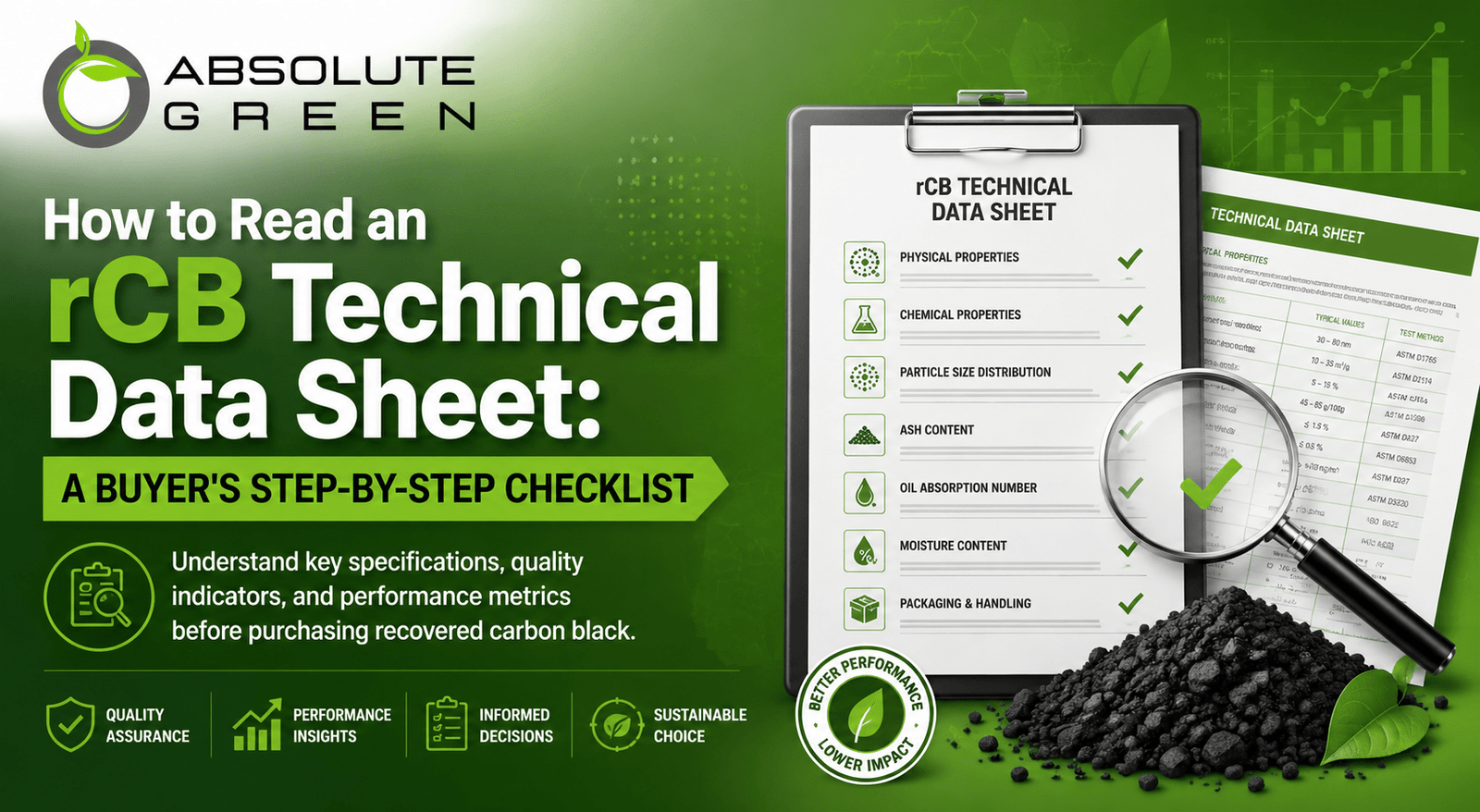
Quick Checklist: 7 Things to Verify Before You Buy
- Source and production method (pyrolysis process, feedstock type, temperature range)
- Clear, consistent use of standardized terminology (rCB vs. char)
- Composition numbers: fixed carbon, ash content, and organic residue
- An explanation of which test methods were used and why
- Batch consistency data or availability of a certificate of analysis
- References to recognized standards (such as ASTM D8178 and D8466)
- Compatibility with your specific application, confirmed through a trial run
Final Thoughts
Reading an rCB technical data sheet doesn’t require a chemistry degree, but it does require knowing what questions to ask. Focus on composition data like fixed carbon, ash, and organic residue, confirm the supplier uses standardized terminology correctly, and always request batch consistency information before placing a large order. A reputable rCB supplier will welcome these questions, since transparency is part of what builds trust in this growing market.
This article is for general informational purposes. Always consult current ASTM standards and your supplier’s quality team for specifications relevant to your specific application.